Essential tips for socializing dogs before ranch life
By Natalie Walsh, , 4 min read
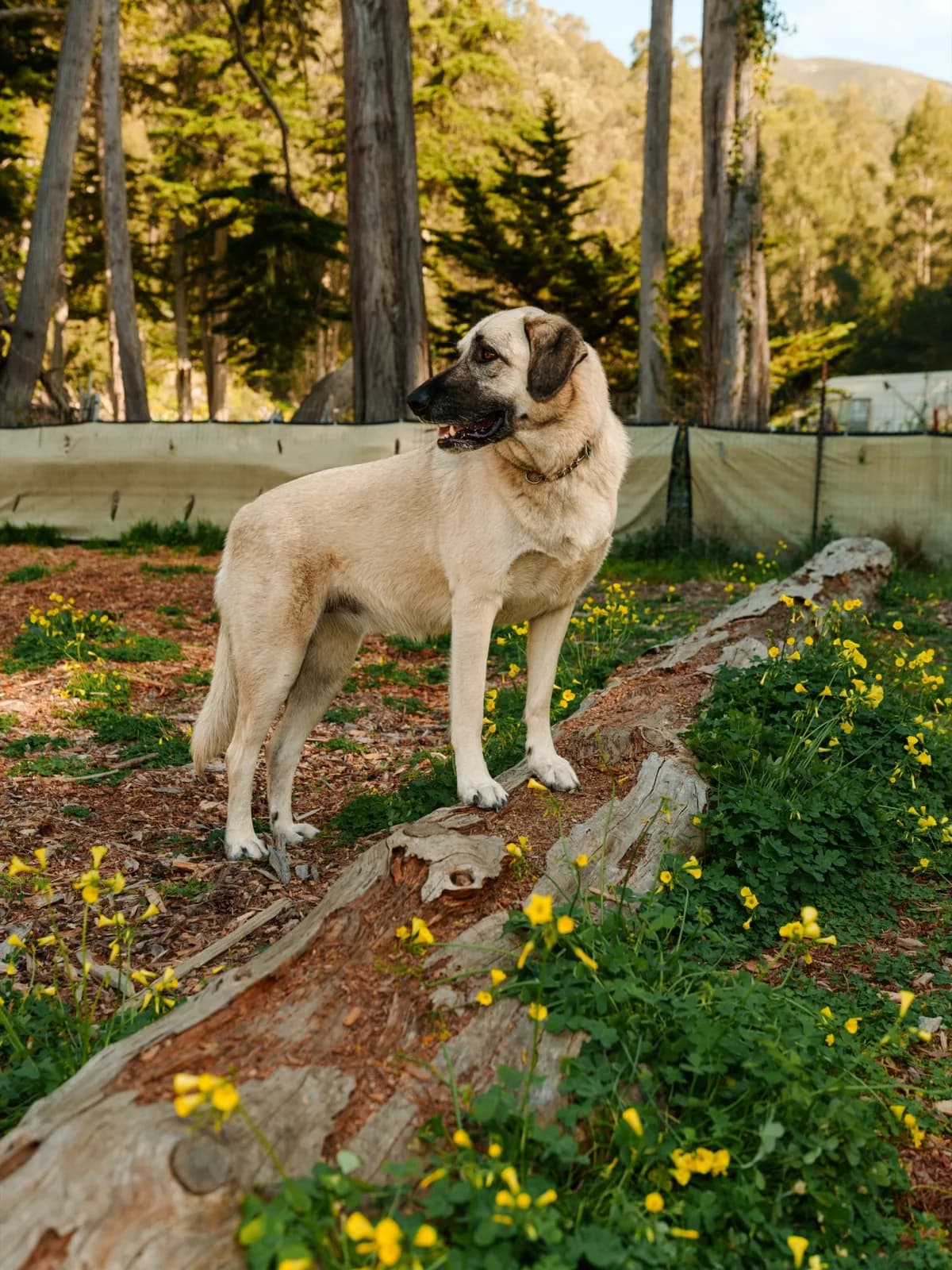
Off-leash ranch outings offer dogs freedom, enrichment, and healthy social interaction, but ranch life isn’t the right starting point for every dog. Successful ranch experiences begin with thoughtful socialization, confidence-building, and clear communication skills.
At Top Dog SF, we prepare dogs for ranch life intentionally, helping them develop the behaviors and mindset they need to thrive in a group setting. Whether your dog is young, newly adopted, or transitioning from solo walks, these essential socialization tips will set them up for success.
Why socialization matters before ranch life
Ranch environments are dynamic:
- Dogs move freely
- Play styles vary
- New dogs are introduced regularly
- Natural distractions are everywhere
A well-socialized dog doesn’t just enjoy ranch outings. They handle them calmly and confidently. Without preparation, dogs may feel overwhelmed, overstimulated, or unsure how to interact appropriately.
Good socialization isn’t about forcing interaction. It’s about teaching dogs how to feel safe, regulated, and responsive around others.
1. Start with calm, controlled introductions
Before joining group play, dogs should be comfortable meeting:
- New dogs one-on-one
- Calm, neutral dogs
- Dogs of different sizes and energy levels
Look for signs of healthy interaction:
- Loose body language
- Curved approaches
- Ability to disengage and re-engage calmly
Avoid rushed or chaotic greetings. Confidence grows through positive, low-pressure experiences.
2. Teach your dog how to take breaks
One of the most overlooked social skills is the ability to pause.
Dogs heading into ranch environments should know how to:
- Step away from play
- Respond to redirection
- Settle briefly before rejoining activity
This helps prevent overstimulation and allows dogs to regulate their energy, an essential skill for group environments.
3. Build confidence around new environments
Ranch life introduces dogs to:
- Open spaces
- Natural terrain
- New sounds and smells
- Movement from multiple dogs at once
Expose your dog gradually to new environments:
- Parks
- Trails
- Outdoor training sessions
- Structured group classes
Confidence in unfamiliar settings translates directly to smoother ranch experiences.
4. Reinforce recall and responsiveness
Strong recall isn’t just about obedience. It’s about safety and trust.
Before ranch outings, dogs should:
- Respond to their name
- Come when called in low-to-moderate distractions
- Accept gentle guidance from handlers
This ensures dogs can be redirected easily and remain engaged with their environment in a healthy way.
5. Observe your dog’s play style
Not all dogs play the same way, and that’s okay.
Some dogs prefer:
- Short bursts of play
- Parallel movement
- Exploration over wrestling
Understanding your dog’s natural preferences helps match them with compatible playmates and prevents uncomfortable interactions. Healthy play is mutual, balanced, and respectful.
6. Prioritize positive experiences over quantity
More interaction isn’t always better.
A few positive, structured experiences are far more valuable than frequent uncontrolled ones. Socialization should leave your dog feeling:
- Confident
- Relaxed
- Curious, not exhausted or stressed
Quality matters more than exposure alone.
7. Use professional guidance when needed
Some dogs benefit greatly from structured support before joining group outings.
Professional trainers can help:
- Identify social strengths and gaps
- Build confidence safely
- Guide dogs through gradual exposure
- Prevent negative learning experiences
Early guidance often makes the transition to ranch life smoother and more enjoyable for everyone involved.
Preparing for a happy ranch experience
Ranch life should be enriching, not overwhelming. Dogs who thrive in off-leash group settings are those who have learned:
- How to communicate calmly
- How to regulate excitement
- How to engage appropriately with other dogs
Preparation ensures that ranch outings become a positive highlight, not a stressful challenge.
Not in San Francisco? Start the free puppy training taster at Top Dog SF Academy