Surviving the puppy blues
An honest SF trainer's guide to the overwhelm no one warns you about
By Natalie Walsh, , 5 min read
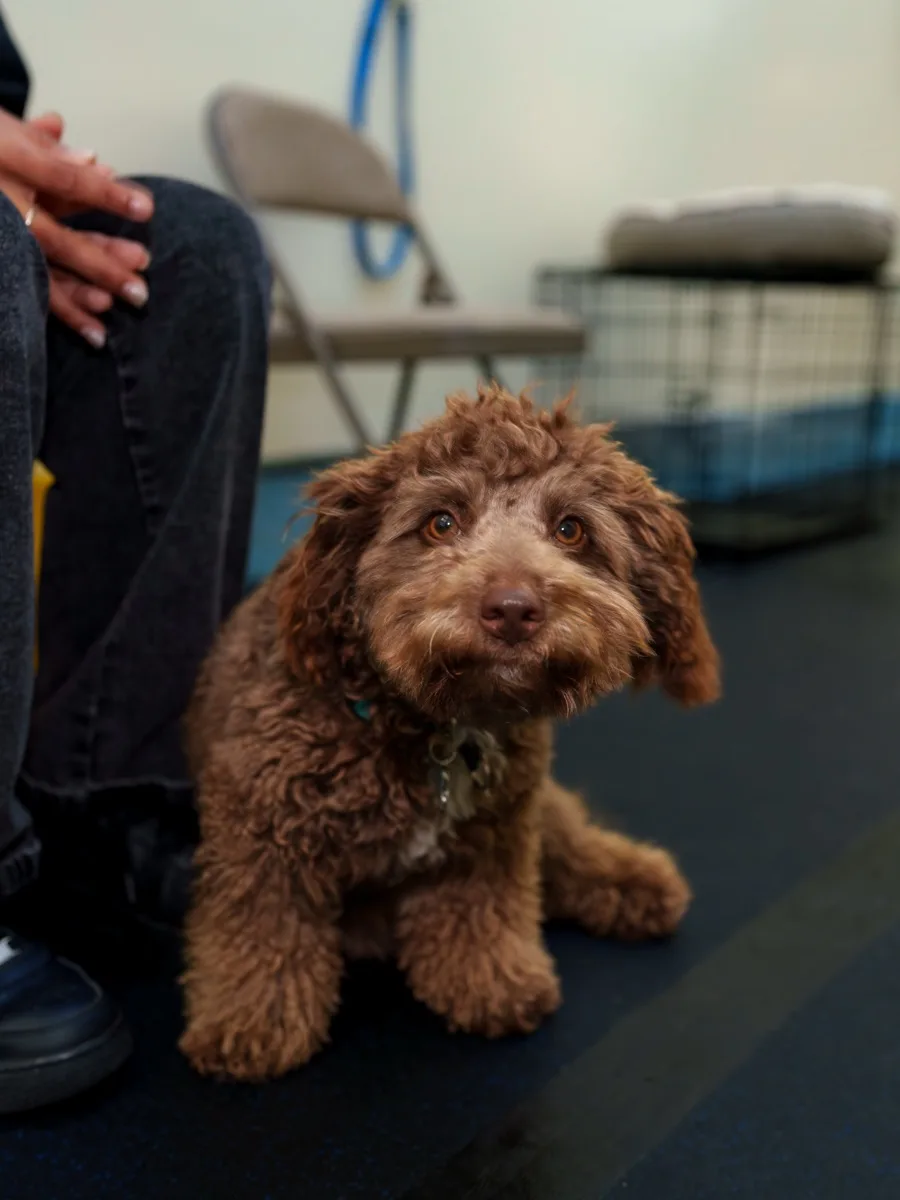
You brought home the puppy of your dreams, and now you’re wondering what you’ve done. If that sounds familiar, you’re not alone, and you’re not failing.
We hear the phrase “puppy blues” almost every week from clients across San Francisco. Here’s what it is, why it happens, and how to move through it without giving up on the amazing dog your puppy is going to become.
1. The puppy blues are real and normal
If you’re crying in the bathroom while your puppy destroys another slipper, you are not a bad dog parent. The “puppy blues” is the wave of overwhelm, regret, and exhaustion many new owners feel in the first weeks. It’s a well-documented emotional dip, not a sign you made the wrong choice.
2. Sleep deprivation is the root of most of it
Interrupted sleep skews everything: patience, mood, decision-making. Prioritize a predictable nap schedule for your puppy (they need 16 to 20 hours a day), a covered crate near your bed, and one clean overnight potty routine. Better sleep for them means better sleep for you.
3. Structure beats willpower
You can’t out-love a chaotic schedule. Build a simple rhythm: eat, potty, short training, play, nap, repeat. Puppies who know what comes next bite less, settle faster, and rehearse fewer bad habits.
4. Isolation makes it worse
New puppy owners often disappear socially for weeks. Don’t. Invite a friend over for coffee while your puppy naps in the pen. Join a structured puppy class in San Francisco so you’re around other humans going through the same thing.
5. Lower the bar, not the standard
You don’t need a perfectly trained puppy in month one. You need a safe, well-rested, gently socialized puppy. Trade Instagram-worthy walks for backyard sniff sessions. Trade “no biting ever” for redirection to a chew toy. Progress compounds.
6. Get real help early
The single biggest predictor of recovering from puppy blues is not waiting. A few sessions with a reward-based, force-free trainer in the first 8 to 12 weeks can shortcut months of frustration. That’s exactly why our Puppy Head Start program exists.
Not in San Francisco? Start the free puppy training taster at Top Dog SF Academy